IMG 5760 scaled

How Our Residential Treatment Program Works

Our facility in Cartersville, Georgia, provides comprehensive residential treatment programs designed to address a variety of mental health conditions. Here’s what you can expect from your stay:

Not sure what to expect? We’re here to guide you through every step of your mental health journey, from your first call to long-term relief.

Want to Learn More About What to Expect From a Residential Treatment Program?

Disorders We Treat

Your treatment plan should be tailored to your exact needs, which is why we offer support for a variety of mental health challenges. Whether you’re looking for help with a specific disorder or your overall wellbeing, we’re here for you every step of the way.

Our residential treatment program treats mental health conditions such as:

Anxiety

We provide comprehensive treatment for various anxiety disorders including generalized anxiety, panic disorder, social anxiety, and phobias.

Bipolar Disorder

Our specialized bipolar disorder program addresses both manic and depressive episodes through mood stabilization techniques, medication management, and therapeutic interventions.

Co-Occurring Disorders

We treat individuals who simultaneously experience mental health and substance use disorders through an integrated approach that treats the whole person.

Depression

Our depression treatment program combines individual therapy, group support, and evidence-based interventions to help you overcome persistent sadness, hopelessness, and other symptoms.

Post Traumatic Stress Disorder

We help individuals process traumatic experiences and develop healthy coping mechanisms using evidence-based therapies to address symptoms and support long-term healing.

Schizophrenia

Our schizophrenia treatment program addresses positive and negative symptoms through antipsychotic medication management, cognitive behavioral therapy, and social skills training.

Our Treatment Approaches

The types and frequency of our treatments will vary from person to person depending on the nature of your mental health condition. What doesn’t vary is our commitment to your health, and we strive to also provide every patient with aftercare resources and support to ease your transition back into your daily life.
Cognitive behavioral therapy (CBT) is a form of talk therapy that encourages self-reflection by allowing patients to analyze the relationship between their thoughts, emotions, and behaviors. CBT is typically prescribed as a treatment for mental health conditions such as anxiety, post-traumatic stress disorder, obsessive compulsive disorder, and depression.

Acceptance and commitment therapy (ACT) is a form of behavioral therapy that empowers participants to embrace their thoughts and feelings while promoting healthy behaviors that align with the participants values. ACT might be prescribed for those suffering from symptoms brought on by depression, post-traumatic stress disorder, obsessive compulsive disorder, or anxiety.

Dialectical behavioral therapy (DBT) is a form of cognitive behavioral therapy that teaches practical skills for managing intense emotions, improving relationships, and handling crisis situations. DBT was originally developed for borderline personality disorder but has proven effective for many conditions including depression, anxiety, PTSD, eating disorders, substance use disorders, and self-harm behaviors.

Family therapy is a form of therapy that helps patients develop, strengthen, and maintain relationships with their support systems. Most family therapy sessions focus on three major topics: improving communication skills, dealing with conflict, and creating a properly functioning home environment.

Group therapy encompasses a variety of formats, ranging from a loose, open-ended setting to more structured groups. This therapy type often focuses on interpersonal dynamics or other skills such as anger management.

We believe in a holistic approach to mental health treatment, which means your care plan doesn’t stop at treating your symptoms. We incorporate red light therapy, biosound therapy, and other techniques as a complement to traditional talk therapies.

IMG 5571 scaled

Meet The Team Behind Our Treatment Program

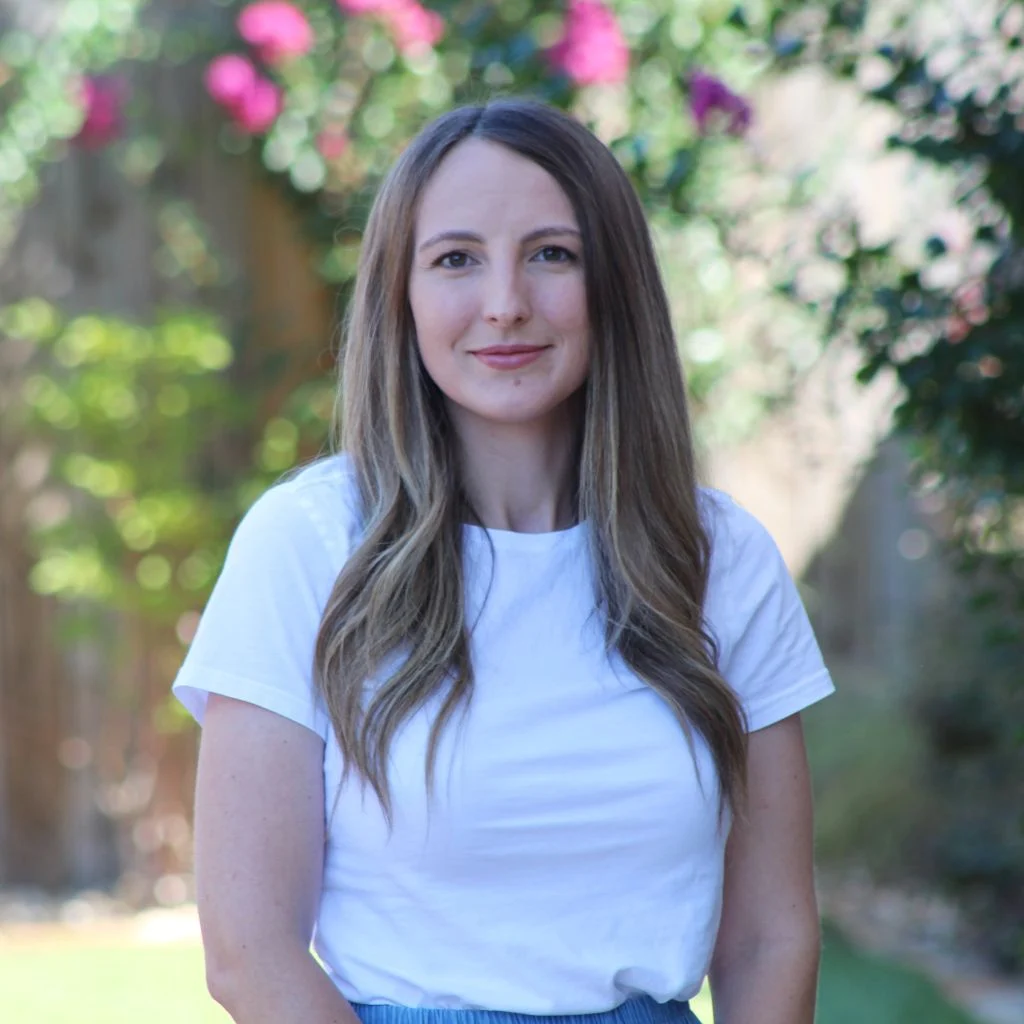
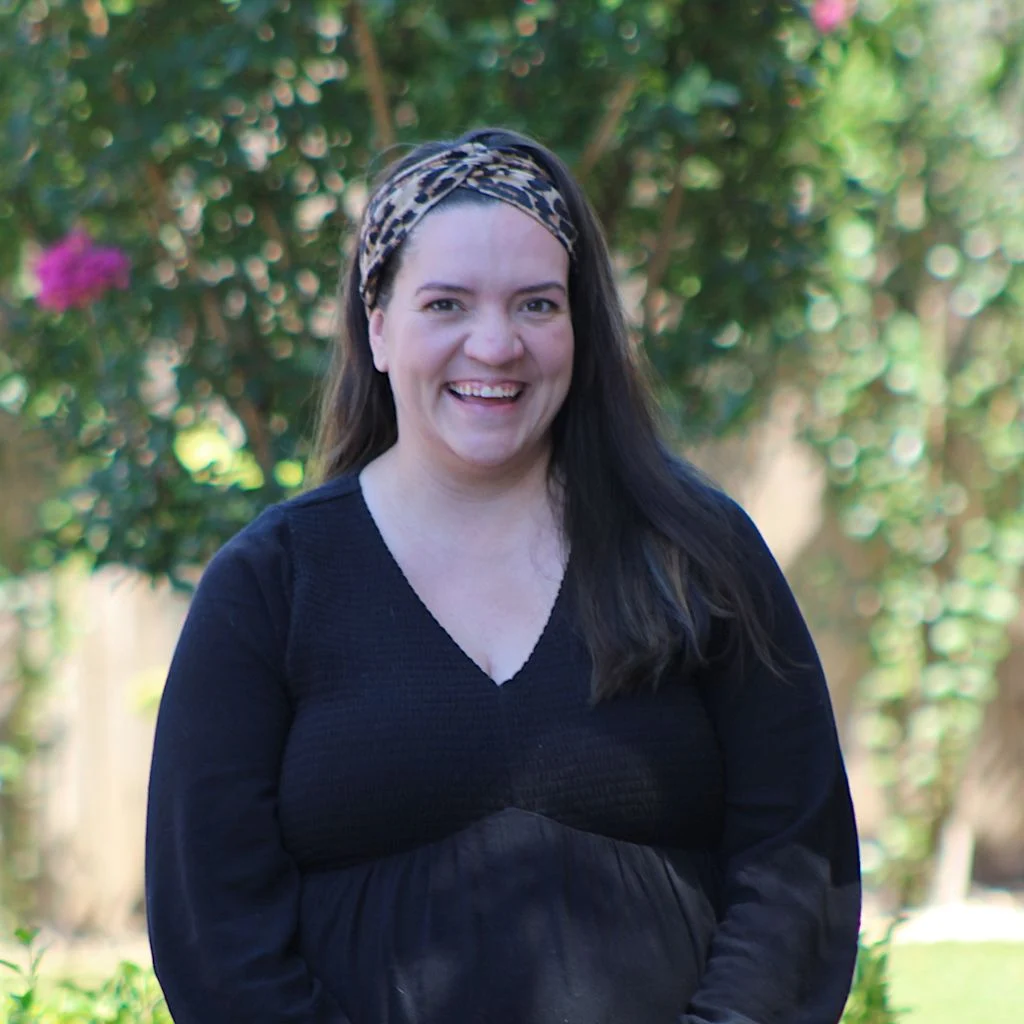
At Red Top Wellness Center, our experienced staff is more than just a reputable track record. We’re all committed to providing truly quality care. Get to know some of our team members below.

Frequently Asked Questions

Have questions? Give us a call—we’re here to help you explore the mental health treatment options that best fit your needs.

Residential treatment involves living on-site at a facility, receiving intensive therapy and support 24/7. Outpatient therapy involves attending sessions at a clinic or therapist’s office, typically on a weekly or biweekly basis.

Yes, our residential treatment programs allow for regular contact with loved ones.

Whether or not medication is recommended will depend on your individual needs and the severity of your diagnosis.

Relapses are a common part of the recovery process for many mental health conditions.  If you experience a relapse, it’s important to reach out to your therapist for support and get back on track with your treatment plan.

The length of stay can vary depending on individual needs and treatment goals. Typically, it ranges from several weeks to a few months.